
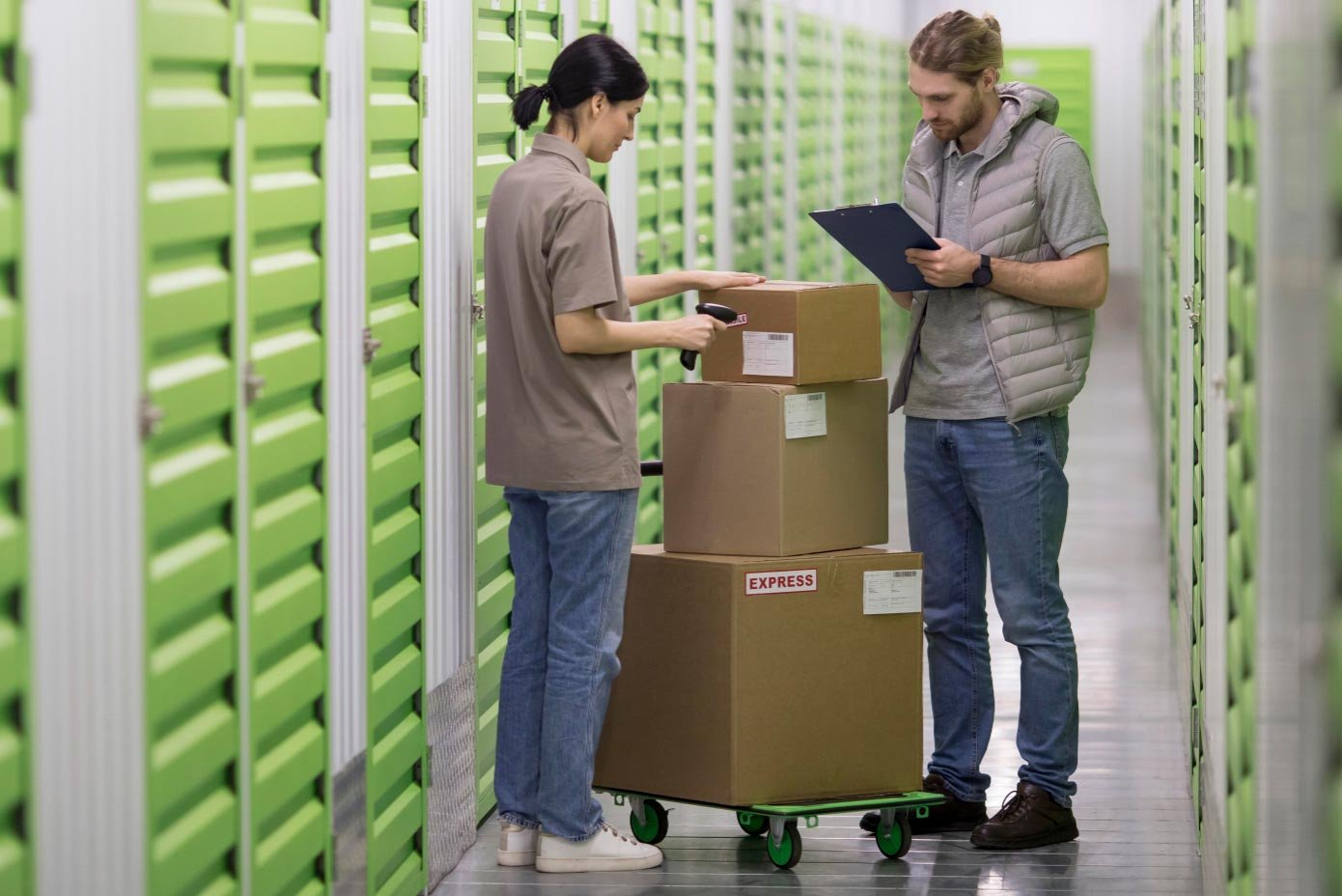
Moving house is chaos. There’s no way around it. But storage? That’s where most people completely drop the ball. You can’t just throw everything in boxes and call it a day – well, you can, but you’ll regret it when you’re digging through fifty unmarked boxes trying to find your toothbrush at 11 PM. Whether you’re hiring trusted movers in Fort Myers, FL, or roping friends into helping, figuring out your storage game plan makes the difference between a smooth move and a total nightmare. We’re talking decluttering, packing smart, maybe renting a unit, and actually being able to find your stuff when you need it.
Decluttering Before Moving
Here’s the thing – you’ve accumulated way more junk than you realize. Go room by room and actually look at what you own. Keep pile, donate pile, sell pile, trash pile. Be honest with yourself. That bread maker you used once in 2019? Gone. The clothes that don’t fit but you’re “definitely going to wear again”? Donate them. Think about your new place and how much space you’ll actually have. Some stuff has real sentimental value, and that’s fine, but most of it? You’re just dragging dead weight around.
The best part about decluttering isn’t even the easier move. It’s showing up at your new place without all the baggage. Literally, you get to start fresh instead of unpacking the same clutter you’ve been ignoring for years.
Maximizing Storage Space
Space is always tighter than you think it’ll be. Look up. Seriously, most people forget about vertical space completely. Closets have tons of unused height – add shelves or hanging organizers, and suddenly you’ve doubled your capacity. Get bins that stack. Not the weird-shaped ones that don’t fit together, the boring square ones that actually maximize space.
Under the bed? Storage goldmine. Seasonal stuff, extra linens, whatever. Vacuum bags are legit magic for clothes and bedding – compress everything down to nothing. And if furniture comes apart, take it apart before the move. Packed tight, it leaves way more room than you’d think. Use every corner, every gap, every inch. You’ll need it.
Choosing the Right Storage Unit
So you need a storage unit. Cool. Don’t just pick the cheapest one and hope for the best. Size matters – make a list of what you’re storing, then rent something bigger than that. Trust me, there’s always more. Location is huge too. A facility that’s thirty minutes away might save you twenty bucks a month, but you’ll hate yourself every time you need to make the drive.
Security should be non-negotiable. Gated access, cameras, and someone actually on site. Your stuff should be safe. And climate control? Depends on what you’re storing. Electronics, wood furniture, photos, documents – yeah, you need it. The temperature swings and humidity in regular units will trash that stuff. Spend the extra money if you’re storing anything that matters.
Organizing Belongings Effectively
Pack like you’re going to forget everything about what you packed because you will. Get rid of the junk first – less to organize means less to lose. Label everything. Room names, what’s inside, and if it’s fragile. Use a marker that actually shows up, not some tiny pen you can barely read.
Storage bins with dividers are worth buying. Same with furniture that has actual storage built in. Drawer organizers, closet systems, whatever keeps things separated and easy to find. The move itself is stressful enough without turning unpacking into an archeological dig through mystery boxes.
Keeping Items Safe During Transit
Nothing’s worse than opening a box and finding your stuff destroyed. Sturdy boxes in different sizes – don’t overpack the big ones or they’ll break, don’t waste small ones on bulky light stuff. Wrap fragile things individually with bubble wrap. Fill gaps with packing peanuts or towels so nothing shifts around and smashes into other things.
Mark fragile boxes. Big letters. Multiple sides. Moving blankets or plastic wrap for furniture prevents scratches. Valuable stuff or things you can’t replace? Move them yourself or pay for specialized shipping. Yeah, it costs more, but replacing a destroyed family heirloom costs way more than that.
Unpacking and Setting Up Storage
Don’t try to unpack everything at once. You’ll burn out fast. Hit the essentials first – kitchen basics so you can eat, bathroom stuff, bedding so you can sleep. The rest can wait. Use your walls from day one. Shelves, hooks, and organizers that keep the floor clear and your space functional.
Keep labeling even after you’ve unpacked. Bins in closets, containers in the garage, shelves in storage rooms. Future you will thank present you for being able to find the holiday decorations in November instead of tearing the house apart. Set up smart storage right away instead of shoving things wherever they fit temporarily, because “temporary” has a funny way of becoming permanent.
Related Topics:
- Everything You Need to Know About How Long Distance Moving Works
- The Ultimate Guide to Wrapping Dining Chairs for a Move