
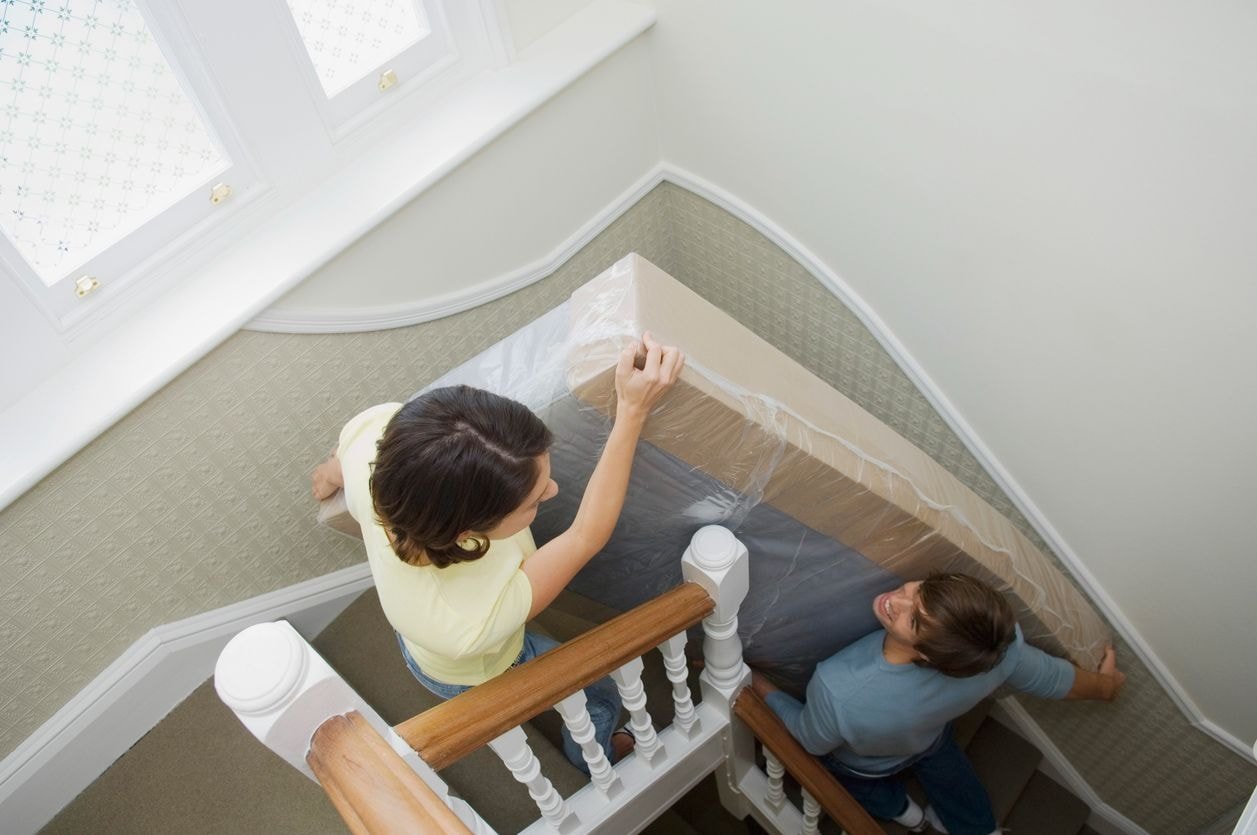
Moving furniture through stairs, elevators, and cramped hallways takes real skill and the right approach. Professional movers deal with these challenges daily and have figured out what works. Leading moving services rely on smart planning, quality equipment, and solid teamwork to handle even the trickiest layouts. This post covers the techniques and strategies movers use to get your stuff from point A to point B without damage or delays. Understanding these methods shows why hiring experienced professionals matters.
Efficient Use of Moving Equipment
Using the right equipment the right way makes relocations faster and easier on the crew. Dollies and hand trucks need to be in good shape with properly inflated tires and secure handles. Placing moving blankets on fragile items before loading them onto a dolly protects furniture from scratches and dents. Sorting boxes by weight and size speeds up the loading process. Furniture sliders help transport heavy pieces across floors without straining anyone’s back. When the team coordinates their equipment use effectively, the whole move runs more smoothly and takes less time.
Techniques for Staircase Navigation
Getting items up and down stairs during a move requires coordinated movements and proper lifting form. The buddy system works best here; one person stabilizes the load while the other handles the steps. This setup reduces accidents and keeps things moving at a steady pace. Clear communication matters just as much as physical strength. Team members position themselves to stay balanced, bending at the knees and lifting with their legs instead of their backs. Distributing weight evenly and taking calculated steps keeps both the crew and the items safe throughout the process.
Strategies for Elevator Transport
Smart planning and effective coordination ensure elevator transport runs efficiently during any move. The team organizes items by size and weight to load safely and make the most of available space. Sequencing matters; planning the order of items maximizes every inch inside the elevator. Assigning specific roles to team members streamlines loading and unloading. Protective padding is applied to items to prevent damage during transit. Constant communication between crew members helps overcome issues that arise, keeping the move on track.
Tips for Maneuvering Tight Spaces
Getting through narrow and confined areas takes precision and the ability to adapt on the fly. When tight spaces show up during a move, these tips help things go smoothly:
- Assess the Path: Walk through the area first to spot potential obstacles or tricky spots where furniture might get stuck.
- Use Proper Equipment: Sliders, straps, and furniture dollies make corners and cramped spots much easier to handle.
- Disassemble When Necessary: If possible, take apart larger furniture pieces so they fit through narrow doorways and hallways.
- Team Communication: Set up clear signals with team members to coordinate movements and keep everyone in sync.
These strategies help crews navigate tight spaces without damaging walls, door frames, or furniture.
Team Coordination and Communication
Moving through narrow spaces during a relocation works best when the team stays coordinated and communicates clearly. Every crew member needs to know their role to avoid confusion or slowdowns. Before starting, teams hold a quick briefing to review the layout, potential obstacles, and the best ways to address them. During the move, hand signals, verbal cues, or radios keep everyone synchronized and ready to anticipate each other’s actions. A team leader oversees operations and makes quick calls when unexpected problems pop up. Building a culture of collaboration and open communication creates a better client experience.
Overcoming Common Obstacles
The best approach is to spot potential problems early and develop solutions before they slow things down. When common challenges arise during a move, experienced crews tackle them head-on. Here are four tactics that work:
- Pre-Visit Assessments: Inspect the space ahead of time to catch any potential issues before moving day.
- Equipment Preparedness: Have all necessary tools ready, including furniture sliders, stair rollers, hoisting straps, and anything else the job might require.
- Strategic Planning: Map out the moving route in detail and assign specific roles to each team member.
- Communication Protocols: Establish clear ways for the crew to communicate so they can handle surprises quickly.
Related Topics: