
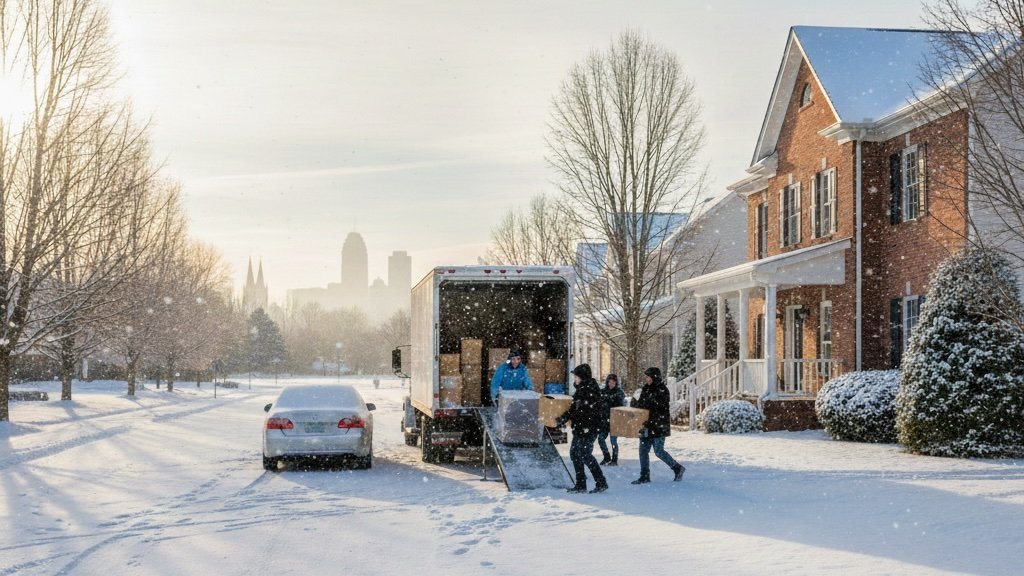
Moving during winter weather takes extra preparation and caution to keep everything running smoothly. You’ll need the right gear, a prepped vehicle, and a solid plan for loading and unloading safely. The recommended movers in Fort Myers can handle relocations to colder climates with the right equipment and know-how for icy conditions. This post covers the supplies you need, driving tips for slick roads, and how to protect your belongings from freezing temperatures. Read on to learn everything you need to know about pulling off a successful winter move.
Essential Winter Moving Supplies
Getting ready for a winter move means gathering the right supplies to handle snow and ice safely. Start with sturdy winter boots that have good traction to prevent slipping. Quality snow shovels and ice melt help clear pathways and driveways fast. Moving blankets and plastic wrap protect furniture and boxes from moisture and cold. Stock up on hot drinks like tea or cocoa to stay warm during breaks. Keep a reliable flashlight, extra batteries, and a fully charged phone on hand for any unexpected situations during the move.
Preparing Your Vehicle for Winter
Safe transportation during winter moves starts with getting your vehicle ready for the conditions. Check tire pressure and tread depth to make sure you have solid traction on icy roads. Switching to winter tires gives you better grip when snow hits. Make sure all fluids sit at the right levels, especially antifreeze, oil, and windshield washer fluid. Test the battery so you don’t get stuck in the cold. Pack an emergency kit with blankets, a flashlight, jumper cables, and a shovel. Keep a snowbrush and ice scraper within reach so you can maintain good visibility throughout the drive.
Safety Tips for Loading and Unloading
Keeping yourself and your belongings safe during loading and unloading matters even more when dealing with snow and ice. Here are some tips to follow:
- Clear Pathways: Remove snow and ice from walkways and the loading area to reduce slipping hazards.
- Proper Equipment: Use sturdy ramps, dollies, and lifting straps to move heavy items safely.
- Team Communication: Establish clear communication among everyone involved to coordinate movements and prevent accidents.
Driving Techniques in Snow and Ice
Once pathways are clear and loading is done safely, the next challenge is getting on the road. Driving in snow and ice requires a slow, steady pace to avoid skidding. Gentle acceleration and braking reduce the chance of losing control. Increase your following distance to give yourself more time to stop if something unexpected happens. When approaching a turn, brake lightly to maintain traction. If you start to skid, steer toward where you want to go without jerking the wheel. Practice these techniques in a safe area before hitting the road so you feel confident behind the wheel.
Protecting Your Belongings From the Cold
Cold temperatures can damage your stuff if you don’t take precautions. Proper insulation keeps your belongings safe during the move. Here’s how to protect your items:
- Wrap Fragile Items: Use bubble wrap or packing paper to shield delicate pieces from the cold.
- Use Insulated Boxes: Pick sturdy, insulated boxes to add another layer of protection against freezing temps.
- Limit Exposure: Keep items in a temperature-controlled space whenever possible, rather than leaving them out in the cold.
Hiring Professional Movers Vs. DIY
Deciding between professional movers and doing it yourself comes down to weighing the pros and cons. Professional movers bring experience, efficiency, and the right equipment, especially helpful when dealing with snow and ice. They know how to handle slippery surfaces, secure items for transport, and keep belongings safe from the cold. Hiring pros reduces physical strain and lowers the risk of injury when moving heavy stuff in bad conditions. Going the DIY route might save money, but it exposes you to accidents, delays, and potential damage to your belongings. Consider your budget, the size of your move, and the weather before making a call.
Related Topics: