
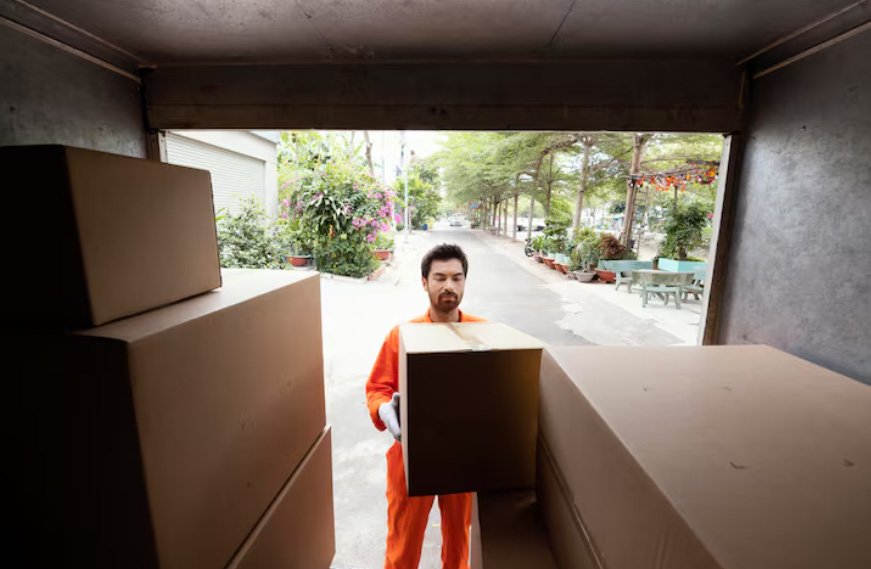
Loading a moving truck is one of those things that seems simple until you’re actually doing it. Then you’re standing there with a couch that won’t fit, boxes sliding everywhere, and wondering why you didn’t just pay a leading moving company to handle this mess. Here’s the thing, though – packing a truck efficiently isn’t rocket science; you just need to know a few tricks. We’re talking about which supplies actually matter, why heavy stuff goes in first, how to use space you didn’t know you had, and keeping your fragile items from turning into garbage during transit. Get these basics right, and you’ll save yourself hours of frustration.
Proper Packing Supplies
You can’t pack properly without the right gear. Grab sturdy moving boxes in different sizes – and yeah, spending a bit more on quality boxes is worth it. You’ll need packing tape that actually sticks (not that cheap stuff that peels off), bubble wrap for anything breakable, and packing paper to fill empty spaces. Here’s a mistake everyone makes: putting heavy items in huge boxes. Don’t do it. Small boxes for books and heavy kitchen stuff. Large boxes for pillows, clothes, lighter things. Your back will thank you later.
Tape up all the seams on your boxes – bottom and top. Boxes fail when you least expect them. Wrap each fragile item separately in bubble wrap, then stuff packing paper around everything inside the box so nothing’s moving around. And label your boxes. Write what’s inside and which room it goes in. You think you’ll remember where everything is. You won’t.
Disassemble Furniture
Break down your furniture before loading it. Seriously. Trying to fit an assembled bed frame in a truck is just asking for problems. You need basic tools – screwdrivers, Allen wrenches, maybe some pliers. If you kept the assembly instructions, pull them out now. They’ll show you how to take things apart without breaking anything.
Here’s where people mess up: they lose the hardware. All those little screws and bolts end up scattered on the floor or lost in the truck. Put them in plastic bags and label each bag with what furniture it belongs to. Tape the bag to the furniture piece if you can. Wrap glass tops, mirrors, or anything delicate in bubble wrap or moving blankets. Scratches happen fast when you’re loading a truck.
Load Heavy Items First
Heavy stuff goes in first. That’s not optional. Your big furniture pieces – couches, fridges, dressers, washers – those go against the back wall of the truck. Why? Because when everything’s loaded, you want the weight distributed properly so nothing shifts when you’re driving.
Strap down the heavy items. Use ropes or straps to secure them to the truck walls. Things slide around more than you’d think, especially when you’re braking or taking turns. Keep the heaviest pieces toward the front and bottom of the truck. That creates a stable base for everything else. And balance the weight side to side. An unbalanced load makes the truck handle weird, which is the last thing you need when you’re already stressed about moving.
Utilize Vertical Space
Think up, not just out. Most people pack a truck like they’re filling a closet – everything spread across the floor. Wrong approach. Stack boxes vertically. Heavy boxes on the bottom, lighter ones stacked on top. You’ve got all that height in the truck, use it.
Ratchet straps attached to the walls help you secure tall stacks and open up floor space. Mattresses and box springs? Stand them up against the wall instead of laying them flat. Boom – you just freed up a massive amount of space. Same with headboards and mirrors. Anything that can stand upright should. Then fill the gaps between items with smaller boxes or soft stuff like pillows. Empty space is wasted space, and wasted space means you might need a second trip.
Secure Fragile Items
Breakable stuff needs extra care, obviously. Wrap each item individually – don’t just throw a bunch of glasses in a box together. That’s how things break. Put padding at the bottom of boxes before adding fragile items. Pack more padding between pieces. You want zero movement inside those boxes.
Use boxes that fit your items properly. Too big and everything rattles around. Too small and you’re cramming things in. When you load these boxes in the truck, put them toward the back and stack them on top of sturdy items, never under heavy boxes. Mark them as fragile with big letters. Even if you’re the only one handling them, you’ll be tired by the end and might forget which boxes to be careful with.
Label Boxes Clearly
Label everything. Use a thick permanent marker – not a pen, not a pencil. Write what’s inside and which room it belongs in. Sounds basic, but you’d be surprised how many people skip this step and regret it later.
Color coding makes unpacking way faster. Pick a color for each room – blue for the kitchen, red for the bedroom, whatever. Use colored tape or markers on the boxes. You can spot what goes where instantly instead of reading every label. Keep a list of what’s in each box somewhere on your phone or a notebook. That way, if you need to find something specific before you’ve unpacked everything, you know which box to open. Trust me, three weeks after moving, you’ll be looking for something random, and that list will save you from opening thirty boxes.
Related Topics:
- Essential Tips on Packing Chairs for a Smooth Move
- How Long Does It Really Take to Clean an Apartment Before Moving In